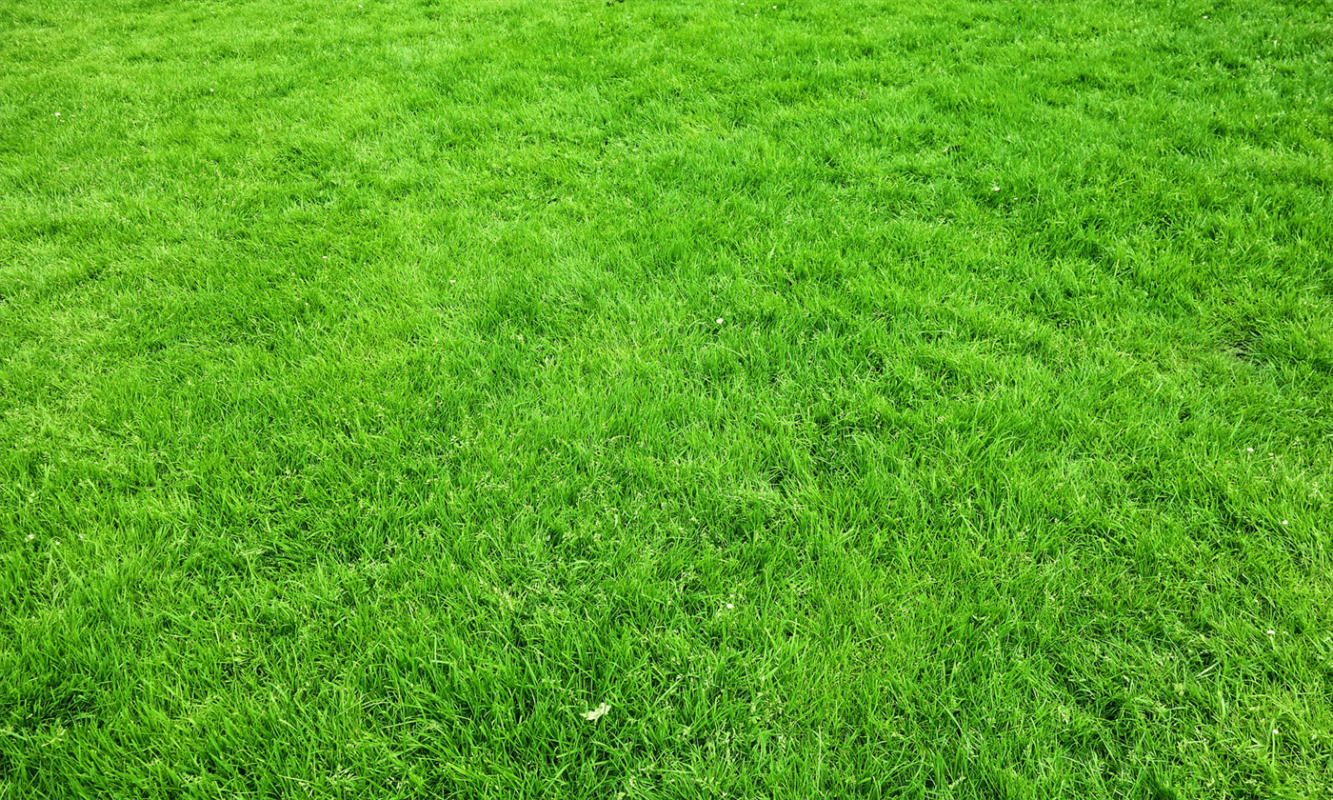
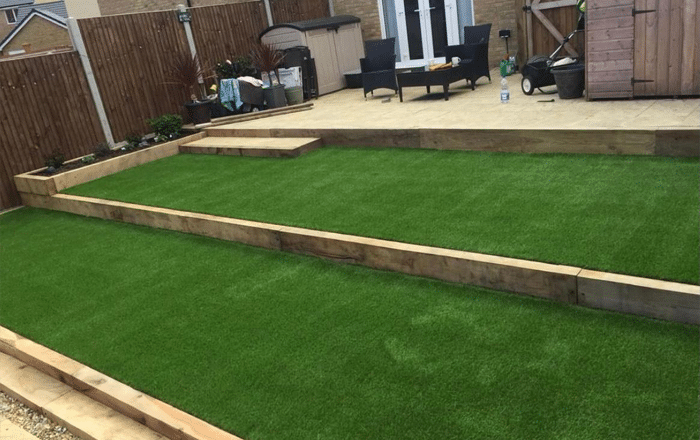
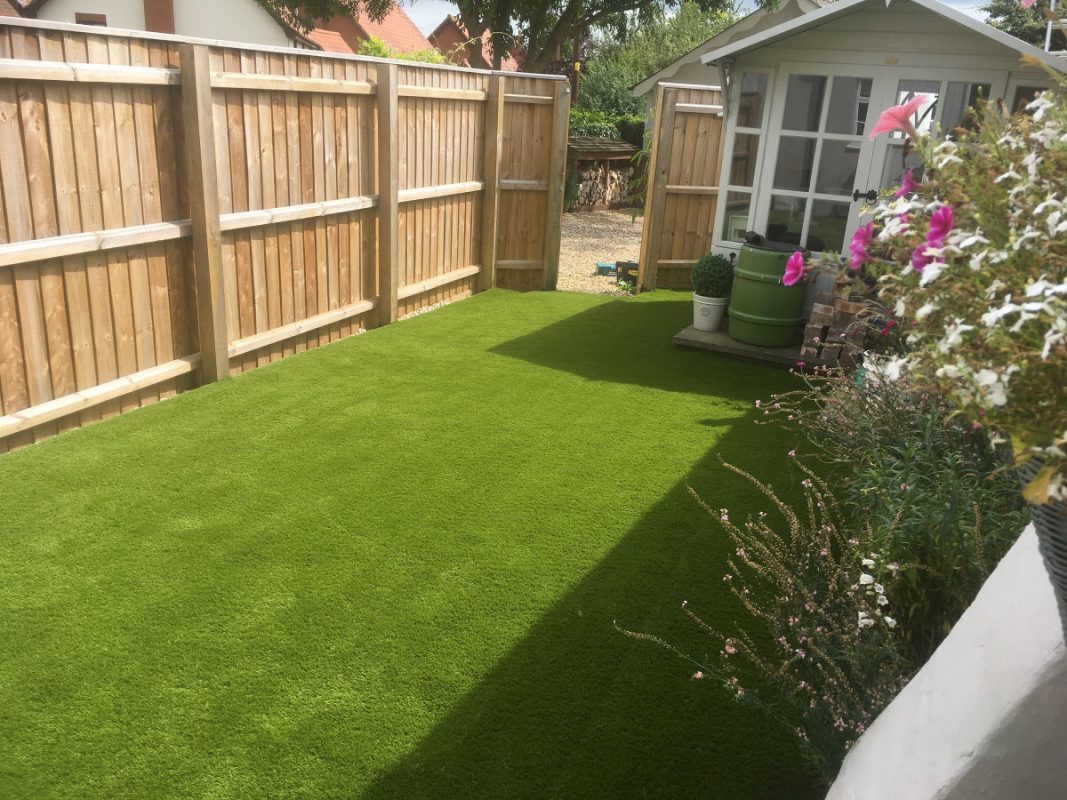
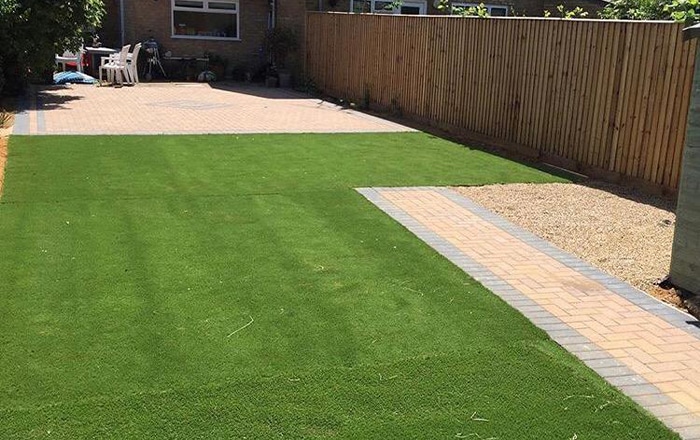
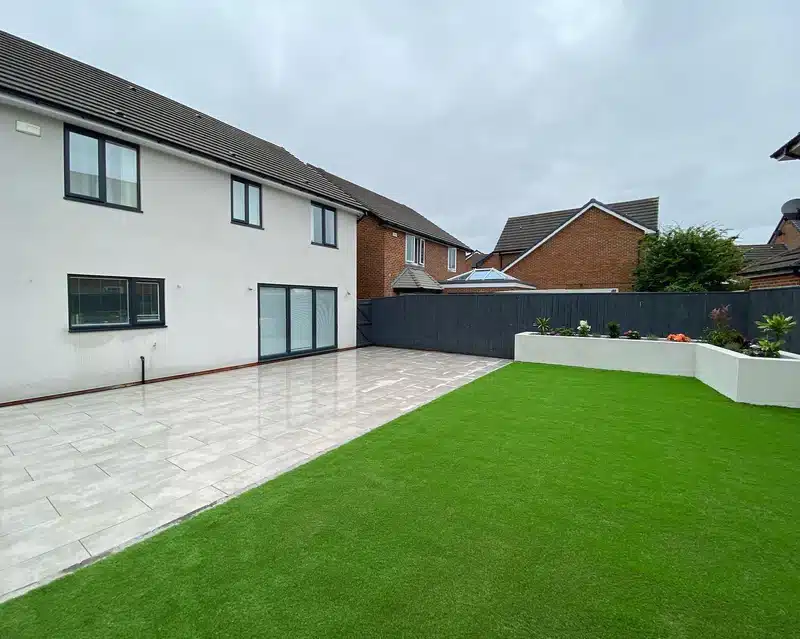
Create a fresh, practical and attractive lawn with professional turfing and artificial grass installation from Thames Paving & Landscapes. We install natural turf and artificial lawns for gardens, play areas and commercial spaces.
Professional Turfing and Artificial Grass Installation
Thames Paving & Landscapes installs natural turf and artificial grass for homes, gardens and commercial outdoor areas. Our team prepares the ground carefully and creates lawns that look neat, feel practical and suit everyday use.
A new lawn can improve the appearance of a tired or uneven garden. In addition, it can create a safer and more comfortable area for children, pets, seating and outdoor activities.
Whether you prefer the natural finish of real turf or the lower maintenance of artificial grass, we can help. We will assess the site, explain the available options and provide a clear quotation for the proposed work.
Natural Turf or Artificial Grass?
The right lawn surface will depend on how you use the garden, how much maintenance you want and the local growing conditions. Therefore, it helps to compare both options before making a decision.
Natural turf offers the look, feel and cooling effect of real grass. However, it needs regular mowing, watering and seasonal care.
Artificial grass provides a consistent green surface with less routine work. Nevertheless, it still needs cleaning, brushing and occasional maintenance.
Our lawn installation services can include:
New natural turf lawns
Artificial grass installation
Old lawn removal
Ground levelling and preparation
Drainage improvements
Lawn edging and borders
Garden paths and stepping areas
Small lawn repairs and replacement
Natural Turfing Services
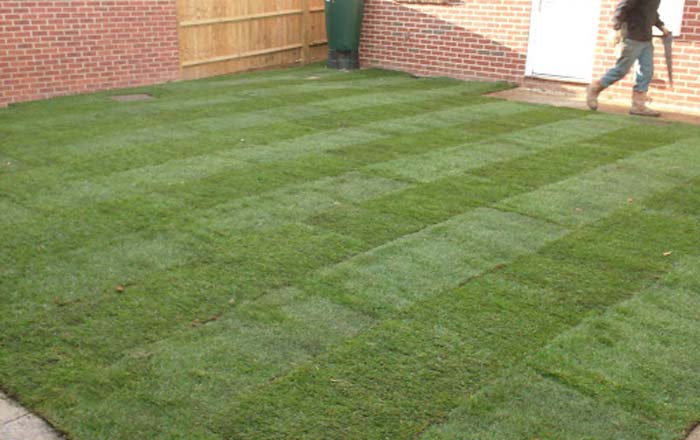
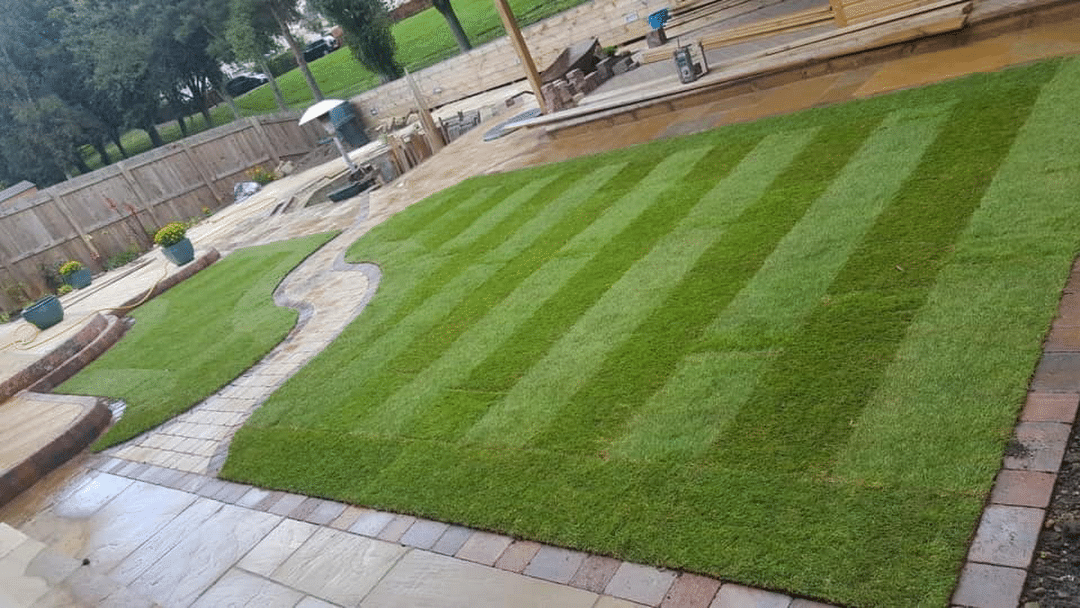
Natural turf can transform bare or damaged ground into a green lawn quickly. It provides a soft surface and works well in family gardens, landscaped areas and traditional outdoor spaces.
However, a healthy lawn depends on suitable soil, drainage and sunlight. For this reason, we inspect the site before installing the turf.
Where necessary, our team can remove the old lawn, improve the soil and correct uneven levels. We then lay fresh turf in close joints and shape it around beds, paths and borders.
Benefits of Natural Turf
Natural Look and Feel
Real turf provides the colour, texture and softness of a natural lawn. As a result, it can blend well with planting, trees and traditional garden features.
Comfortable Outdoor Surface
Natural grass feels soft underfoot and stays cooler than many hard surfaces. Therefore, it works well for seating, play and general garden use.
Supports Garden Wildlife
A natural lawn can support insects and soil life. In addition, it forms part of a wider planted garden environment.
Can Recover with Care
Healthy turf can recover from light wear when it receives suitable watering and lawn care. However, heavy traffic may create thin or muddy areas.
Artificial Grass Installation
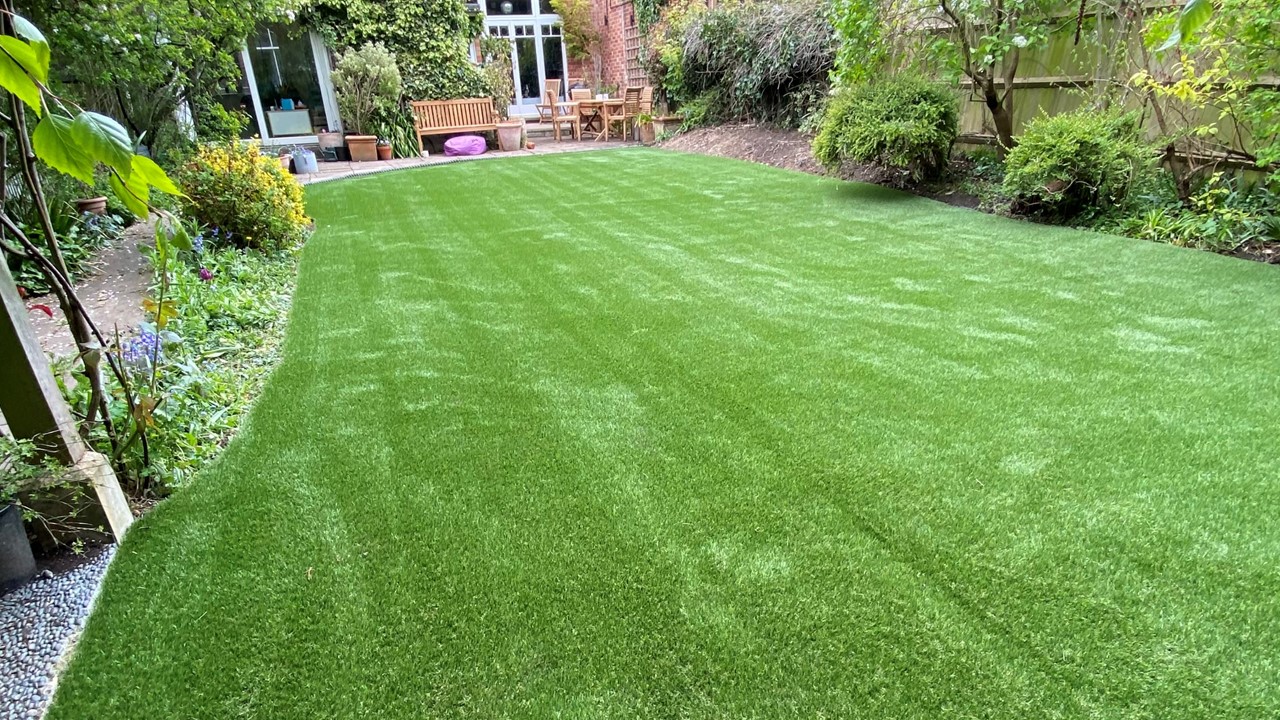
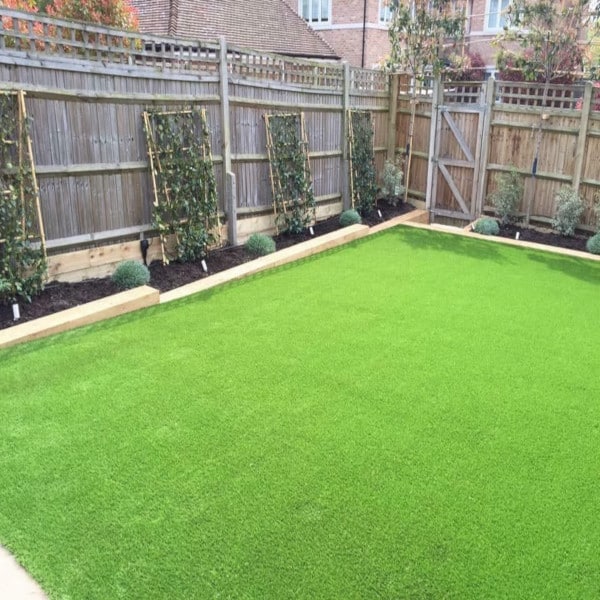
Artificial grass provides a tidy and consistent lawn without regular mowing. It can suit busy households, shaded gardens, play areas and small outdoor spaces.
Modern artificial grass comes in different pile heights, shades and textures. Therefore, you can choose a product that matches your preferred appearance and intended use.
A good result depends on much more than the grass itself. Proper excavation, base preparation, drainage and jointing all help create a stable and neat surface.
Benefits of Artificial Grass
Less Routine Lawn Care
Artificial grass does not need mowing, feeding or regular watering. As a result, it can reduce the weekly work needed to maintain a lawn.
Consistent Appearance
The surface stays green throughout the year. In addition, it does not develop bare patches in the same way as natural grass.
Suitable for Difficult Areas
Artificial grass can work well where natural turf struggles because of shade or heavy use. For example, it may suit narrow gardens, play spaces and areas beside buildings.
Cleaner During Wet Weather
A correctly prepared artificial lawn can reduce mud in high-use areas. However, suitable drainage remains essential.
Choice of Styles
Different pile heights, blade shapes and colour blends create varied finishes. Therefore, homeowners can choose between shorter practical products and softer, fuller lawns.
Artificial Grass for Children and Pets
Artificial grass can create a practical play surface for children and pets. It removes many of the muddy patches that develop on heavily used natural lawns.
However, the chosen product should suit the intended use. For pet areas, good drainage and regular cleaning become especially important.
Pet waste should be removed promptly, while the surface may need rinsing with water and a suitable cleaner. In addition, regular brushing will help keep the pile upright.
Artificial grass can become hot in strong sunlight. Therefore, you should check the surface temperature before children or pets use it during very warm weather.
Our Natural Turf Installation Process
New turf needs a level, prepared and healthy base. For this reason, we complete the groundwork before laying the lawn.
Removing the Existing Lawn
First, our team removes the old turf, weeds and unsuitable surface material. We then clear the area and inspect the underlying soil.
If the garden has drainage or level problems, we will explain the visible issues before continuing. This allows us to agree any additional preparation.
Preparing and Levelling the Soil
Next, we cultivate and level the soil to create a smooth base. Where required, we can add suitable topsoil to improve the finished level and growing conditions.
We also remove large stones and compact the surface lightly. As a result, the new turf has a firm but workable bed.
Laying the Turf
Our team lays the turf in staggered rows and keeps the joints close together. We then trim the edges around paths, beds and garden features.
After laying, we lightly firm the turf into contact with the soil. Finally, we explain the initial watering and care requirements.
Our Artificial Grass Installation Process
A durable artificial lawn depends on the quality of the base. Therefore, we follow a clear installation process from excavation through to final brushing.
Excavation and Ground Preparation
First, we remove the old grass, soil and unsuitable material to the required depth. We also check the site levels and consider how water will drain.
Where necessary, we install edging around the lawn area. This edging helps secure the finished grass and creates a neat boundary.
Installing the Base
Next, we install and compact suitable base materials. The exact build-up will depend on the ground conditions and intended use of the lawn.
A stable base helps prevent movement and uneven sections. In addition, it supports drainage beneath the artificial grass.
Laying and Joining the Grass
Once the base is ready, we position the artificial grass and align the pile direction. We then trim the material carefully around edges and obstacles.
For larger areas, our installers join separate sections using suitable tape and adhesive. Careful alignment helps make the joins less noticeable.
Securing and Finishing the Lawn
Finally, we secure the edges and brush the pile into position. Depending on the product, the installation may also include a suitable infill.
Before leaving, we inspect the lawn and clean the surrounding area. We will also explain the basic maintenance needed to keep it presentable.
Lawn Drainage and Ground Conditions
Drainage affects both natural turf and artificial grass. Poorly managed water can create soft soil, standing water or unpleasant odours.
Therefore, we inspect the ground and existing levels during the site survey. Depending on the site, the work may include improved base materials, drainage layers or changes to the finished levels.
Heavy clay, compacted ground and low areas may need extra preparation. More complex drainage problems may also require specialist assessment.
Lawn Edging and Garden Borders
Edging creates a clear divide between the lawn and nearby surfaces. For example, block paving, metal edging or timber borders can separate the grass from patios and planting areas.
A defined edge also helps protect artificial grass and makes natural lawns easier to maintain. Moreover, it can add more structure to the overall garden design.
We can coordinate lawn borders with existing paving, paths, walls and landscaping features.
Natural Turf Aftercare
New turf needs careful watering while the roots establish. Therefore, you should keep the turf and soil moist without flooding the lawn.
Avoid heavy use during the early establishment period. In addition, wait until the turf has rooted before completing the first mow.
Once established, the lawn will need regular mowing, feeding and seasonal care. Dry weather may also increase its watering needs.
Artificial Grass Maintenance
Artificial grass needs less routine work than natural turf, but it still requires care. Regular maintenance will help keep the surface clean and the pile upright.
Remove Leaves and Debris
Use a soft brush or leaf blower to remove leaves, twigs and loose dirt. This also helps stop organic matter from building up.
Brush the Grass
Brush against the direction of the pile from time to time. As a result, flattened areas can regain a fuller appearance.
Clean Spills Promptly
Rinse spills and marks before they settle. However, use only cleaning products that suit the artificial grass system.
Check Edges and Joins
Inspect the edges and joins for movement or damage. Early attention can prevent a small issue from becoming more difficult to repair.
Artificial Grass Repairs and Replacement
Artificial grass can become worn, loose or damaged after heavy use. In some cases, local repair may restore the affected area.
However, matching older grass can prove difficult because products fade and manufacturers change their ranges. Therefore, a visible repair may not blend perfectly with the original lawn.
Our team can inspect the surface and explain whether repair, relaying or replacement offers the most suitable result.
Why Choose Thames Paving & Landscapes?
Experienced landscaping and lawn installation specialists
Natural turf and artificial grass options
Careful excavation and ground preparation
Drainage, edging and levelling work
Lawns designed around each garden
Clear quotations and practical advice
Professional installation from start to finish
Above all, we aim to create lawns that look attractive, suit the property and work well for everyday use.
Frequently Asked Questions About Turfing and Artificial Grass
Planning a new natural lawn or artificial grass installation? Complete the form below and a member of our team will contact you to discuss the project.
Why Choose Thames Paving & Landscapes ?
Experienced Pavers
Thames Paving & Landscapes are a property maintenance company with many years of experience in a range of areas. Thames Paving & Landscapes take pride in delivering the quality results which you deserve.
Free Quotes
Thames Paving & Landscapes are more than happy to offer FREE, no-obligation quotes. We are here to work closely with you on any projects.
All Services
From driveways to landscaping, Thames Paving & Landscapes expertise spans across many fields and are on hand to cover you for all of your needs.
Skilled Team
Thames Paving & Landscapes 's experience in the paving & driveway industry is second to none, we have been around for a while and seen almost everything on the job so you can be confident in hiring us!
Wide Coverage
Thames Paving & Landscapes cover a wide geographical area including Woking, Guildford, Walton-on-Thames, Kingston, Staines, Molesey, Esher & Windsor. Please get in touch to find out if Thames Paving & Landscapes cover your area.
CLEAN AND TIDY
We endeavour to always leave our customers satisfied with our high quality work and this includes causing as little disruption as is possible and leaving your property clean and tidy.